
Bestselling model
Type: Double Ended
59.1 Inch MonBlari NORMA Solid Surface Freestanding Bathtub
Type: Double Ended
71 Inch MonBlari VENUS Series Crescent Bathtub
Type: Double Ended
59-67 Inch MonBlari Solid Surface Freestanding Bathtub
Type: Double Ended
51-71 Inch MonBlari LYRA Solid Surface Freestanding Bathtub
Type: Double Ended
67 Inch MonBlari Solid Surface Freestanding Buthtub
Type: Double Ended
59-67 Inch MonBlari Acrylic Freestanding Bathtub
Type: Double Ended
67 Inch MonBlari VENUS Series Wide Bathtub
Type: Double Ended
51-67 Inch MonBlari Acrylic Freestanding Bathtub
Type: Vessel Sink
22 Inch MonBlari Solid Surface Vessel Bowl Sink Bathroom Sink
Type: Wall Mount
31.5 Inch MonBlari SERENE SERIES Solid Surface Wall Mount Sink Bathroom Sink
Type: Wall Mount
29.5-47.2 Inch MonBlari VENUS SERIES Solid Surface Wall Mount Sink
Type: Wall Mount
19.7 Inch MonBlari ORBIT SERIES Solid Surface Wall Mount Sink
Type: Wall Mount
34.3 Inch MonBlari SERENE SERIES Solid Surface Wall Mount Sink
Type: Vessel Sink
19.7 Inch MonBlari VERVE SERIES Solid Surface Vessel Bowl Sink Bathroom Sink
Type: Vessel Sink
15.7 Inch MonBlari VENUS SERIES Solid Surface Vessel Bowl Sink Bathroom Sink
Type: Vessel Sink
21.7 Inch MonBlari VENUS SERIES Solid Surface Bathroom Vessel Bowl Sink Bathroom Sink
Designer bathtubs for modern living
Our bathtubs are created by professional designers to bring elegance, comfort, and timeless style to modern bathrooms.
30-Day Risk-Free Guarantee
Experience the comfort of MonBlari with confidence.
Designer Crafted
Thoughtfully designed bathtubs created for modern bathrooms.
Premium Materials
Acrylic, solid surface, and carbon fiber engineered for durability and comfort.
Free Shipping
Safe and reliable shipping for every MonBlari bathtub.
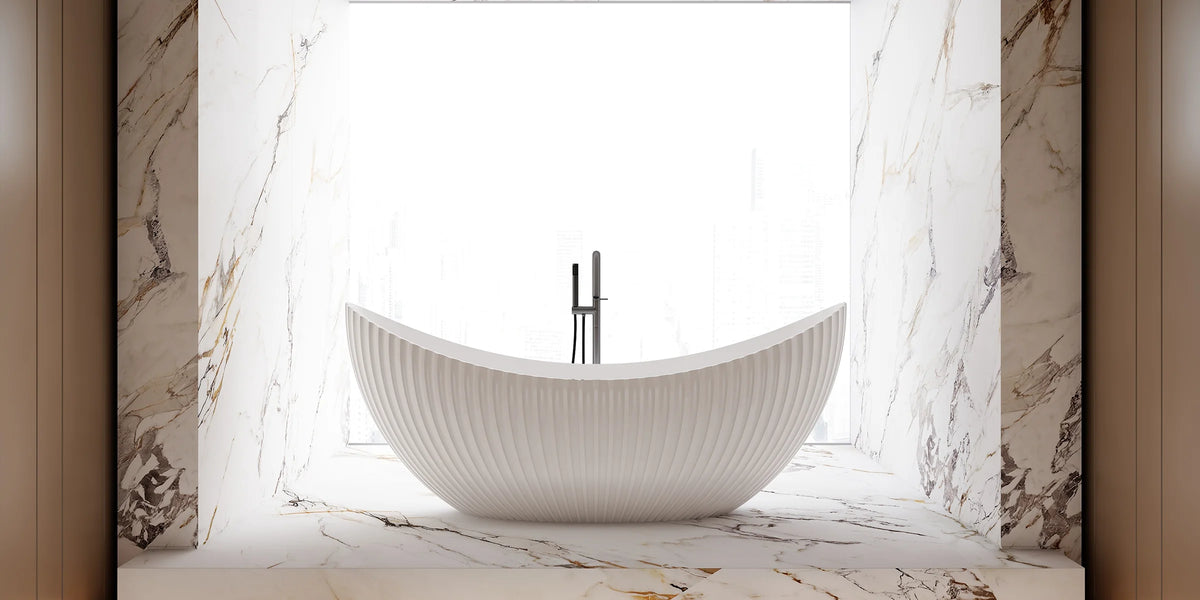
Because moments of calm matter.Discover bathtubs designed for beauty, comfort, and modern living.
Why Choose MonBlari
20+ Years of Manufacturing
Decades of bathtub manufacturing experience for long-term performance.
Engineered Materials
Reinforced structure and lab-tested materials for durability and stability.
20-Year Structural Warranty
Tub body and structure backed by a long-term warranty.
Free Shipping & 60-Day Returns
Try it at home — if it’s not right, return it within 60 days.
What Our Customers Say
Real experiences. Real comfort.
Blog posts
How Much Space Do You Need for a Freestanding Bathtub?
Introduction: Designing a Bathroom That Feels Intentional In today’s U.S. homes, the bathroom has evolved far beyond a purely functional space. It’s where design, comfort, and daily rituals come together, shaping how we start and end each day. At the center of this transformation is the freestanding bathtub—an architectural feature that brings both visual presence and everyday usability into the room. But before choosing a style, material, or finish, one question matters most: how much space do you actually need for a freestanding bathtub? Many homeowners begin by researching standard tub size, bathtub dimensions, or average bathtub size. While these are useful starting points, they don’t fully answer how a tub will function within a real space. A well-designed bathroom considers not only the bathtub size, but also circulation, layout, and how the tub interacts with the surrounding environment. What Is a Standard Bathtub Size in the U.S.? Most U.S. homes are built around a familiar baseline when it comes to standard bathtub dimensions. A typical bathtub is about 60 inches long, 30 inches wide, and 20 to 22 inches high. These measurements are commonly referred to as standard tub size or standard bathtub dimensions and are widely used in alcove installations. However, a freestanding bathtub is not restricted by these limits. Unlike built-in tubs, freestanding models offer more flexibility in both size and placement. Today’s designs range from compact tubs suited for smaller bathrooms to larger soaking tubs designed for comfort and relaxation. Understanding Bathtub Dimensions That Actually Matter While standard measurements provide a helpful reference, choosing the right bathtub comes down to how those dimensions translate into real comfort. Bathtub length, for example, plays a key role in usability. While 60 inches is considered standard, smaller spaces may benefit from a 55-inch tub, while taller users or those seeking a more relaxed soak often prefer lengths between 66 and 72 inches. Width also affects both comfort and layout. Most bathtubs are around 30 inches wide, but freestanding tubs can be slightly wider, offering more interior space while requiring additional room in the layout. Height, or depth, is equally important—especially for soaking tubs. Standard tubs range from 20 to 24 inches high, while deeper designs allow for a more immersive bathing experience. Common Bathtub Sizes at a Glance To make planning easier, most residential bathtubs fall into a few standard size categories. While exact dimensions may vary, the table below provides a quick reference for common bathtub types used in U.S. homes. Type Length Width Height Use Case Alcove bathtub 60" 30" 20" Standard home installations Freestanding tub 55–72" 27–32" 22–26" Design-focused layouts Soaking tub 60–72" 30–36" 24–26" Spa-style soaking experience These ranges reflect typical bathtub dimensions found in modern bathrooms. A freestanding bathtub offers greater flexibility, but also requires more thoughtful planning. Types of Bathtubs and Their Space Requirements Different types of bathtubs require different amounts of space, which directly affects how your bathroom is planned. Alcove bathtubs are built into three walls and are the most space-efficient option, making them ideal for compact layouts. Drop-in tubs are installed into a deck or platform, allowing for more customization but requiring additional structure. Freestanding bathtubs, on the other hand, require open space around them. Because they are not attached to walls, they naturally become the focal point of the room. This means that beyond bathtub size, you must also consider how much space surrounds the tub and how it fits within the overall layout. How Much Space Do You Need Around a Freestanding Bathtub? This is the most important factor—and where many bathroom designs fall short. Even if you choose the correct bathtub size, inadequate spacing can make the room feel cramped and uncomfortable. As a general guideline, you should allow at least 6 inches of clearance around the tub. For a more comfortable layout, 12 inches is recommended, while the entry side should have 24 to 30 inches of space for safe and easy access. In well-designed bathrooms, spacing is intentional. The openness around a freestanding bathtub is what creates a sense of balance, comfort, and luxury. Matching Tub Size to Bathroom Size Choosing the right freestanding bathtub is not just about dimensions—it’s about proportion. In smaller bathrooms, compact tubs or alcove designs are often more practical. Mid-size bathrooms can accommodate a standard freestanding bathtub with proper clearance, while larger bathrooms allow for oversized soaking tubs that act as a design statement. The goal is always the same: the bathtub should feel integrated within the space, not oversized or out of place. How to Measure a Bathtub Properly If you are planning a renovation or replacing an existing tub, accurate measurements are essential. Start by measuring the overall length, width, and height of the bathtub, then check the internal soaking depth to ensure comfort. Taking precise measurements helps avoid installation issues and ensures the bathtub fits seamlessly within your layout. Structural Considerations You Shouldn’t Overlook One often overlooked factor is weight. A filled bathtub can exceed 1,000 pounds, particularly for larger soaking tubs made from heavier materials. This is especially important for upper-floor installations, where additional structural support may be required. Planning ahead helps prevent costly structural adjustments later. Why Space Defines Luxury in Bathroom Design In modern American interiors, luxury is no longer defined by size alone—it’s defined by how space is used. A freestanding bathtub should feel visually open, not confined. Avoid placing it too close to walls, and when possible, use symmetry to create a balanced layout. Even standard bathtub dimensions can feel elevated when combined with thoughtful spacing and intentional design. Final Planning Checklist Before finalizing your bathroom design, make sure you have considered all key factors. Confirm your bathtub size, allow proper clearance, plan plumbing placement, check floor load capacity, and review the overall visual balance of the space. Final Thoughts: Measure with Purpose, Design with Confidence A freestanding bathtub is more than just a fixture—it’s a reflection of how a space is designed and experienced. Whether you are working with standard bathtub dimensions or exploring larger soaking tub sizes, the goal remains the same: to create a bathroom that feels open, comfortable, and intentionally designed.
Learn moreLuxury Freestanding Bathtub: 2026 Buyer’s Guide
Discover how a Luxury Freestanding Bathtub can transform your bathroom into a tranquil sanctuary. This guide offers insights on design trends, material choices, and space planning, ensuring you make the best investment for comfort and style in your home.
Learn moreTransparent Resin Bathtub: 2026 Buyer’s Guide
Discover what a transparent resin bathtub is, its benefits, material comparison, and how to choose the best transparent bathtub for modern luxury bathrooms in 2026. Introduction: A New Statement in Modern Bathrooms A transparent resin bathtub is redefining modern bathroom design in 2026. No longer just a functional space, today’s bathrooms are designed for relaxation, wellness, and visual impact. With its crystal-clear appearance and sculptural form, a transparent bathtub brings a sense of openness and elegance to the space. It interacts beautifully with lighting, stone, and wood elements, making it a centerpiece in luxury interiors. As homeowners and designers seek materials that combine performance with aesthetics, the resin bathtub has quickly become a preferred choice in contemporary bathroom projects. What Is a Transparent Resin Bathtub? A transparent resin bathtub is crafted from advanced composite resin materials designed for strength, durability, and clarity. Unlike traditional tubs, a bath transparent design allows light to pass through the material, creating a subtle glow under ambient lighting. This unique effect enhances the depth and atmosphere of the bathroom. These bathtubs are often freestanding and integrate seamlessly with modern design elements, making them both functional and artistic. Why Resin Tubs Are Trending in Luxury Bathrooms In recent years, resin bathtubs have gained popularity among architects and interior designers. This trend is driven by improvements in composite materials, allowing manufacturers to create bathtubs that are both durable and visually refined. Key reasons include: Sculptural and modern appearance Strong design flexibility Comfortable and smooth surface Long-lasting composite structure Unique transparent bathtub aesthetics These features make them ideal for luxury homes, boutique hotels, and design-focused spaces. What Tub Material Is Best? (Comparison Guide) When planning a renovation, many homeowners ask:What tub material is best? The answer depends on durability, maintenance, comfort, and design style. Bathtub Material Comparison Material Design Appeal Heat Retention Durability Maintenance Best For Transparent Resin ⭐⭐⭐⭐⭐ ⭐⭐⭐⭐ ⭐⭐⭐⭐ Easy Modern luxury bathrooms Acrylic ⭐⭐⭐ ⭐⭐⭐ ⭐⭐⭐ Easy Budget-friendly projects Cast Iron ⭐⭐⭐⭐ ⭐⭐⭐⭐⭐ ⭐⭐⭐⭐⭐ Medium Classic styles Solid Surface ⭐⭐⭐⭐ ⭐⭐⭐⭐ ⭐⭐⭐⭐ Easy Premium interiors A composite bathtub made from resin offers one of the best balances between performance and modern aesthetics. 7 Key Benefits of a Transparent Resin Bathtub Benefit Description Why It Matters Stunning Visual Transparency Creates a soft lighting effect through the tub material Enhances bathroom ambiance Luxury Design Statement Acts as a focal point in high-end interiors Elevates space value Excellent Heat Retention Keeps water warm longer Improves comfort Durable Composite Structure Resistant to cracks and impacts Ensures long-term use Smooth Non-Porous Surface Prevents dirt buildup Easy maintenance Flexible Design Possibilities Allows custom shapes and styles Design freedom Perfect for Modern Bathrooms Fits minimalist and luxury designs Seamless integration A transparent resin bathtub combines both visual elegance and durability, making it one of the best choices for contemporary bathrooms. How to Choose the Best Transparent Resin Bathtub Choosing the right bathtub requires balancing design, comfort, and long-term performance. Key Factor What to Look For Why It’s Important Design & Ergonomics Body-supporting curves and comfortable depth Enhances relaxation Material Quality & Transparency High-grade resin with UV resistance Prevents yellowing Durability & Maintenance Non-porous, scratch-resistant surface Easy cleaning Installation Considerations Proper plumbing and floor support Ensures safety Are Transparent Resin Bathtubs Durable? Yes, modern resin bathtubs are engineered for durability and daily use. Strong structural integrity Resistance to discoloration Easy cleaning surfaces With proper care, a transparent bathtub can maintain its appearance and performance for many years. FAQ: Transparent Resin Bathtub 1. Are transparent resin bathtubs safe?Yes, they are made from strong composite materials designed for safe daily use. 2. Do transparent bathtubs turn yellow?High-quality resin materials are UV-resistant and maintain clarity over time. 3. Are resin bathtubs better than acrylic?Resin bathtubs offer better durability and a more premium appearance. 4. Is a transparent bathtub difficult to clean?No, the smooth surface makes cleaning simple and quick. 5. How long does a resin bathtub last?With proper maintenance, it can last for many years. 6. How much does a transparent resin bathtub cost?Prices vary depending on design and quality, typically positioned in the luxury segment. Conclusion: A Modern Choice for Luxury Bathrooms As bathroom design continues to evolve, materials that combine innovation, durability, and aesthetics are becoming essential. For those asking what tub material is best, a transparent resin bathtub offers a strong balance of performance and visual appeal. With its elegant transparency and sculptural presence, it transforms the bathroom into both a functional space and a design statement. For modern homes in 2026 and beyond, choosing a transparent bathtub is not just a design decision—it’s an investment in comfort, luxury, and contemporary style.
Learn more


